Guests/Speakers
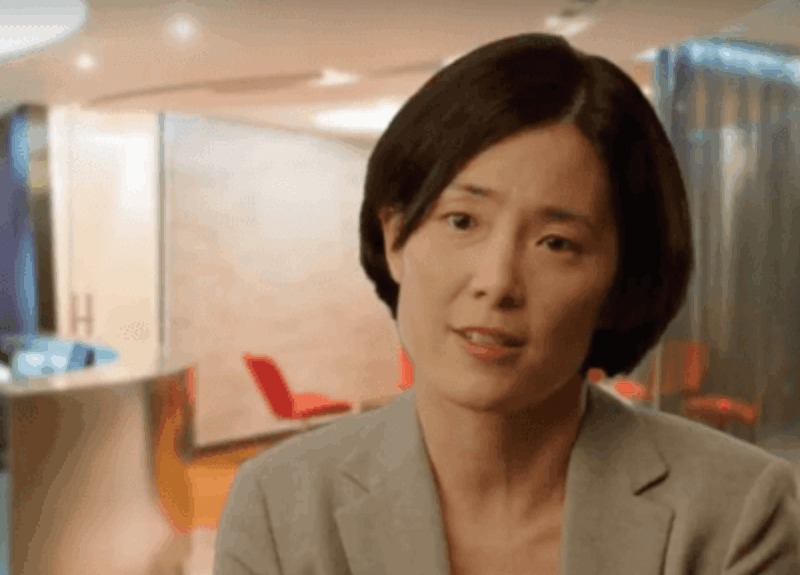
Dr. Alice Shaw
Director, Center for Thoracic Cancers, Dana-Farber Cancer Institute
Professor of Medicine, Harvard Medical School
Dr. Alice Shaw is an internationally recognised expert in targeted therapies for lung cancer, particularly for patients with ALK and ROS1 rearrangements. Her groundbreaking research has been instrumental in developing and testing next-generation targeted therapies that have transformed outcomes for patients with rare oncogene-driven lung cancers.
Dr. Shaw’s work focuses on precision medicine approaches to lung cancer treatment, including the development of drugs that can penetrate the blood-brain barrier to treat and prevent brain metastases. She has led numerous clinical trials that have resulted in FDA approvals of life-saving targeted therapies.
Learn more about Dr. Shaw’s work:
Dana-Farber Cancer Institute – Thoracic Oncology
Harvard Catalyst Profile
Host: Annabelle Gurwitch, New York Times Bestselling Author | LCFA Speakers Bureau Member | Survivor
Annabelle brings her signature wit and unflinching honesty to conversations about life with lung cancer. She cuts through platitudes and toxic positivity to reveal the real, messy, beautiful truth of survival. Diagnosed with EGFR-mutated lung cancer five years ago, Annabelle uses her platform to advocate for patients and raise awareness about the realities of living with this disease.
Learn more about Annabelle:
Understanding ROS1-positive Lung Cancer with Dr. Alice Shaw
In this episode, Annabelle sits down with Dr. Alice Shaw from Dana-Farber Cancer Institute to discuss ROS1-positive lung cancer, a rare but treatable form of the disease that affects only 1-2% of lung cancer patients.
When you receive a lung cancer diagnosis, understanding your specific type of cancer can feel overwhelming. But knowing whether you have an oncogene-driven lung cancer—and which specific mutation—can be life-changing information. In this raw and informative conversation, Dr. Shaw breaks down what ROS1-positive lung cancer means and why it’s actually good news to have an identifiable target.
What Does “Oncogene-Driven” Mean?
“If you’re told you have an oncogene-driven lung cancer, that’s generally good news,” explains Dr. Shaw. This means your oncologist has performed biomarker testing and identified a specific genetic alteration driving your cancer’s growth. Most importantly, targeted therapies exist that can specifically turn off that abnormal gene.
For patients with non-small cell lung cancer (NSCLC), particularly adenocarcinoma, this biomarker testing is considered standard of care. Every patient should undergo this testing because it directly impacts treatment selection and outcomes.
The Importance of Biomarker Testing
Biomarker testing can be performed through tissue biopsy or liquid biopsy (blood test). Dr. Shaw recommends both when possible: “At my institution, we do both in parallel, because sometimes a liquid biopsy can return a result very quickly—sometimes within a week.”
However, if a liquid biopsy is negative or non-informative, tissue testing is essential. Patients should advocate for comprehensive testing by asking their oncologist:
- What kind of lung cancer do I have?
- Have biomarker tests been done?
- Does my lung cancer have any targets?
ROS1-positive Lung Cancer: Rare but Treatable
ROS1 rearrangements occur in only 1-2% of lung cancer patients, making them quite rare. Dr. Shaw likes to say,
“I always tell my patients who have ROS1 that they’re rare and exceptional.”
But identification is crucial because highly effective ROS1-targeted therapies have been developed over the past 15 years.
Before targeted therapies, patients with ROS1-positive lung cancer only had chemotherapy as an option. Now, there are four FDA-approved ROS1 targeted therapies in the United States, with next-generation drugs showing even better results.
Next-Generation ROS1 Inhibitors: More Potent, Fewer Side Effects
The evolution of ROS1 treatments demonstrates the rapid pace of lung cancer research. First-generation drugs worked well but patients typically relapsed within one to two years. This spurred development of more advanced therapies.
Next-generation ROS1 inhibitors offer several advantages:
Increased Potency: They more effectively shut down the activated oncogene
Better Selectivity: They specifically target ROS1 without affecting other proteins, reducing side effects
Brain Penetration: They’re designed to treat and prevent brain metastases, a significant concern for lung cancer patients
As Dr. Shaw explains,
“These new ROS1 drugs penetrate into the brain and actually not only treat brain metastases if they’re there, but also potentially prevent brain metastases from forming. That is huge.”
Understanding Clinical Trials
Clinical trials are essential for bringing new drugs to patients, and the newest, most effective treatments are often available first through trials. Dr. Shaw notes that with targeted therapies like ROS1 inhibitors, the timeline from first human testing to FDA approval can be remarkably fast—sometimes just three and a half to four years.
Patients interested in clinical trials should:
- Ask their oncologist about available trials
- Connect with patient advocacy groups like ROS1ders
- Understand they can participate in trials at specialized centers while maintaining care with their local oncologist. Dr. Shaw notes,
“Many of my patients stay with their local team while participating in trials. You don’t necessarily have to say, ‘I’m going to lose my whole team that I’ve been working with.'”
The Role of Specialized Care
Because ROS1-positive lung cancer is so rare, many general oncologists may never encounter a patient with this mutation. This makes specialized care particularly important. Patients should feel empowered to:
- Ask for second opinions
- Seek consultation with thoracic oncologists who specialize in targeted therapies
- Connect with patient communities for support and information
Hope Through Scientific Advancement
For Annabelle Gurwitch, who was diagnosed with EGFR-mutated lung cancer five years ago, the word “hope” has taken on new meaning. “When I think of the word hope, I think about advancements in science,” she shares. “Hope is actually looking and seeing at the advances. And even since I was diagnosed five years ago, the advances are amazing.”
Dr. Shaw’s work exemplifies this progress. The latest ROS1 inhibitor in development has been in clinical trials for about four years and shows remarkable promise with its clean safety profile and high efficacy. “The data is very compelling,” Dr. Shaw notes, expressing hope for eventual FDA approval.
Taking Action: Advocacy and Resources
For patients newly diagnosed with ROS1-positive lung cancer:
- Get Comprehensive Testing: Ensure both tissue and liquid biopsy testing are performed
- Seek Specialized Care: Connect with thoracic oncologists experienced in treating ROS1-positive patients
- Explore Clinical Trials: Ask about trials, and don’t hesitate to seek care at specialized centers
- Join Patient Communities: Connect with groups like ROS Wonders for support and information
- Advocate for Yourself: Ask questions, seek second opinions, and stay informed about treatment advances
- Financial assistance may be available for testing and treatment through pharmaceutical companies, foundations, and patient assistance programs.
The Future of ROS1 Treatment
The therapeutic landscape for ROS1-positive lung cancer continues to evolve rapidly. With each generation of targeted therapies, patients experience better outcomes with fewer side effects. The focus on brain penetration addresses one of the most challenging aspects of lung cancer treatment, while improved selectivity means patients can stay on treatment longer with better quality of life. Dr. Shaw emphasizes,
“The pace of drug development is so rapid. There’s just no way you can access the newest drugs that are likely to be even more effective with fewer side effects unless you actually know about the clinical trials.”
Conclusion: Raw Conversations, Real Survivors, No Filters
This episode of Living With Lung Cancer: Ask Me Anything demonstrates the power of informed conversations between survivors and experts. While a ROS1-positive lung cancer diagnosis may initially feel overwhelming, understanding your specific mutation opens doors to highly effective targeted therapies.
By advocating for comprehensive testing, seeking specialized care, and staying informed about clinical trials, patients can access cutting-edge treatments that continue to improve outcomes and extend lives. The lung cancer community—including patients, caregivers, researchers, and advocates—works together to ensure everyone has access to the information and resources they need.
As Dr. Shaw’s work demonstrates, scientific progress continues at a remarkable pace, bringing new hope to patients with ROS1-positive lung cancer. This is what hope looks like: not empty platitudes, but real scientific advancement that saves lives.