Guests/Speakers
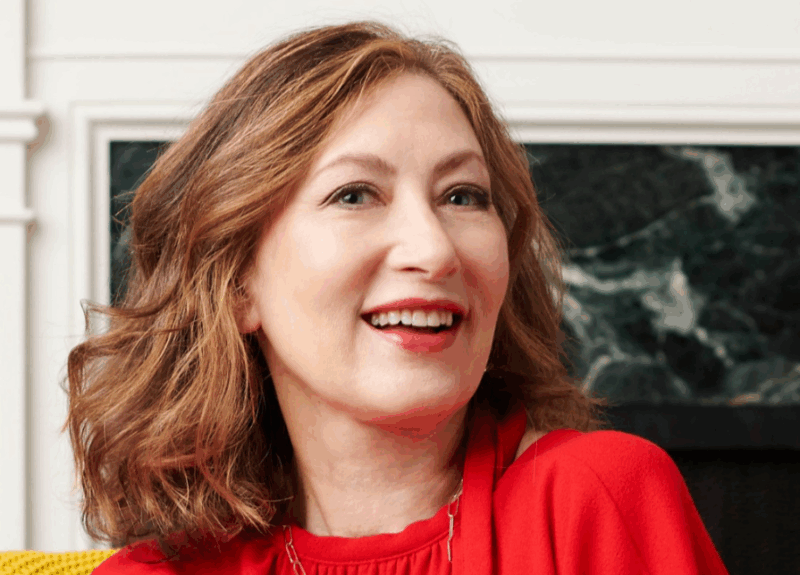
Annabelle Gurwitch – Host, Author, and Patient Advocate
New York Times bestselling author and LCFA Speakers Bureau member living with stage 4 EGFR+ lung cancer. Annabelle brings compassion, wit, and unflinching honesty to conversations about the real challenges of living with lung cancer. Diagnosed five years ago, she uses her platform to advocate for patients and raise awareness about treatment advances.
Connect: https://www.annabellegurwitch.com/ | @annabellegurwitch
LCFA Profile: https://lcfamerica.org/speaker-profile/annabelle-gurwitch/
Colette Smith – Lung Cancer Survivor and Patient Advocate
Colette Smith is a dynamic lung cancer survivor, patient advocate, and community health champion who transformed her 2015 Stage 1A adenocarcinoma diagnosis into a powerful platform for change. As a never-smoker diagnosed through persistent self-advocacy, Colette’s mission is to emphasize the importance of patient empowerment and early detection.
Changing doctors can feel intimidating, especially in lung cancer care where relationships with oncologists can last for years. But as host Annabelle Gurwitch and advocate Colette Smith share, choosing the right doctor—and knowing when to speak up—is a critical part of getting the care you deserve.
Why Patients Change Doctors
Annabelle opens by sharing her own experience. Early in her diagnosis, she didn’t always feel equipped to push for the kind of communication she needed. Years later, when she switched oncologists, she discovered how powerful it is to have a physician who welcomes shared decision-making.
Her story highlights a common truth: lung cancer is not a one-time medical event. It requires ongoing decisions, evolving treatment plans, and a doctor-patient relationship built on trust and communication.
Finding Your Voice in the Exam Room
Colette explains that for her, advocating for herself comes down to one essential belief:
“I deserve the best healthcare possible.”
She refuses to be shy or quiet if something doesn’t feel right. Lung cancer, she says, gave her the courage she didn’t always have. Growing up as one of thirteen children and navigating difficult life experiences taught her not to stay silent—skills that now serve her in her care.
Colette emphasizes:
- No question is silly
- A doctor who dismisses your questions may not be the right fit
- You are allowed to expect communication that works for you
Creating a Care Team That Works for You
One surprising part of Colette’s approach is that she maintains multiple oncologists—not because she switches constantly, but because she keeps relationships active with physicians who follow her specific mutation and research field.
This approach helps her:
- Stay informed about emerging treatments
- Prepare for transitions if a doctor relocates or retires
- Build a safety net of expertise
Her doctors know she seeks additional opinions, and she frames it not as disloyalty but as staying informed.
Following the Science
Because Colette has EGFR exon 20 lung cancer, she intentionally follows research and treatments specific to that mutation. She checks in with an oncologist who specializes in her subtype once or twice a year. This gives her an understanding of:
- New clinical trial options
- Recently approved therapies
- What her “Plan B” might look like
Annabelle relates—she too brings questions informed by research and expects her care team to have collaborative conversations.
A Useful Communication Framework
Annabelle shares guidance she learned from Dr. Jorge Gomez:
“This is my goal. How close can you get me to that?”
This prompt helps patients articulate what matters most—whether that’s:
- Minimizing side effects
- Pursuing the most aggressive treatment possible
- Preserving daily routines
- Maintaining independence or travel ability
Colette likes the clarity of this framing because it helps patients and physicians align on expectations.
How Patients Prepare for Appointments
Colette doesn’t take notes during appointments because it distracts her from being fully present. She occasionally records conversations—with permission—so she can revisit important information later.
She prepares by bringing:
- Specific questions
- Scan-related concerns
- Clarifications about treatment decisions
For her, appointments are private and emotional spaces. She prefers going alone so she can process information without managing someone else’s reactions.
Annabelle understands this deeply. Because lung cancer has become part of her routine, attending appointments solo feels grounding and less disruptive to her life. Still, she acknowledges that not everyone has the privilege or stability to do this.
When Choosing a Doctor Becomes Self-Advocacy
Both women agree that changing doctors is not about hurting feelings—it’s about care that aligns with your needs. Patients deserve:
- Clear explanations
- Respect
- Collaborative decision-making
- Honest discussions about goals
Sometimes, as Annabelle notes, patients also need guidance on what expectations are realistic and which are not. Understanding the limits of current science is part of the partnership.