
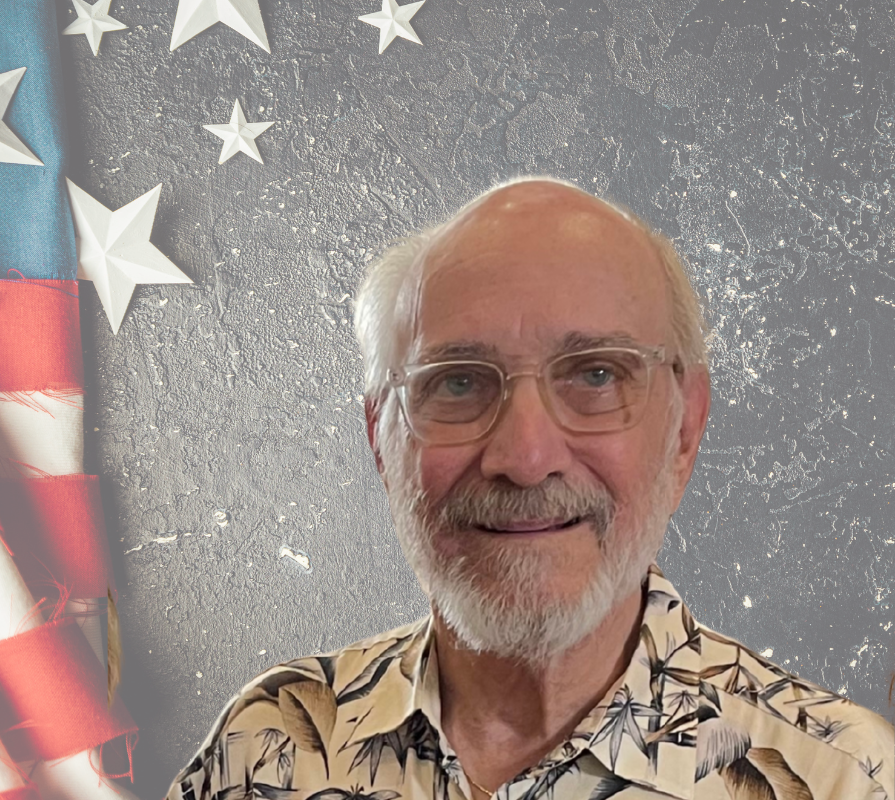
In 2013, Buddy Cutler was told to get his affairs in order. Diagnosed with Stage 4 non small cell lung cancer at age 67, doctors estimated he had nine to twelve months to live. His response was immediate and unwavering:
“I told my doctor he was wrong. I said I was going to live long enough to see my three grandchildren graduate from high school.”
More than a decade later, Buddy is 80 years old, has no evidence of disease (NED), and has attended two high school graduations and one college graduation—with another on the horizon.
When standard chemotherapy stopped working and no FDA-approved options remained, Buddy turned to clinical trials. His first immunotherapy trial produced a 70% reduction in tumor size but was cut short by severe side effects. Undeterred, he enrolled in a second Phase I trial in 2016. Out of 80 participants, only two achieved a complete response to the experimental treatment. Buddy was one of them. He continues to take the study drug today under an extended-use agreement.
Now retired from a long career in accounting, Buddy has dedicated his second act to the lung cancer community. He volunteers weekly at the thoracic clinic where he received treatment, spending time with patients and families in the waiting room before their appointments. He also speaks at conferences and events about the life-changing power of lung cancer research and clinical trials.
“Every new treatment starts somewhere, and I’m grateful I had the chance to be part of that.”
Why Buddy’s Story Matters
Buddy’s journey illustrates what becomes possible when science, perseverance, and hope intersect. His experience speaks directly to several of the most urgent issues in lung cancer today: the critical importance of clinical trial participation, the promise of precision medicine, the need for increased research funding, and the reality that long-term survival after a Stage 4 diagnosis is achievable. As a U.S. Navy veteran, his story also resonates with military communities, where lung cancer risk is 25% higher due to environmental exposures during service.
Buddy Is Available to Speak On
- Surviving Stage 4 lung cancer for more than a decade through clinical trials
- The patient experience of enrolling in Phase I clinical trials
- Life after a terminal prognosis — setting goals and staying motivated
- Volunteering and giving back as a long-term survivor
- Why research funding matters — a firsthand perspective
- Veteran health and lung cancer awareness