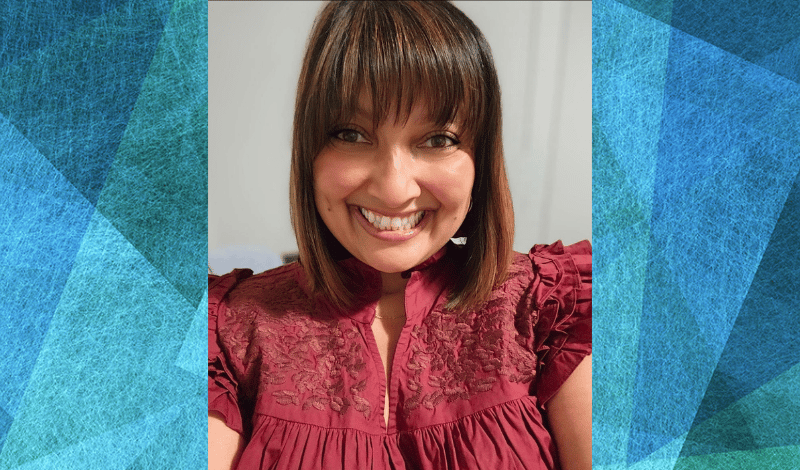
Tabitha Paccione has been living with stage 4 lung cancer for 10 years. In 2016, she was 35 years old, a first-grade teacher, and the mother of two children, ages 8 and 11. She was healthy, active, and in great shape. When she developed a persistent cough, she made several visits to doctors who diagnosed everything from bronchitis to acid reflux. Nothing helped. Then one morning, she noticed a large nodule protruding from her neck and knew something was very wrong. The diagnosis was stage 4 lung adenocarcinoma, a type of non-small cell lung cancer (NSCLC).
Thanks to advances in lung cancer research, Tabitha is not just living. She is thriving.
Here, in her own words, is what the last 10 years have looked like.
Starting Treatment for Stage 4 Lung Cancer
My treatment journey began quickly. Within days of my diagnosis, I started intravenous chemotherapy. After three rounds, severe neuropathy forced me to stop that treatment. Biomarker testing showed my cancer was ALK-positive, which meant there was a targeted treatment for it. Two days later, I began an oral targeted therapy, along with stereotactic radiation to my brain.
The response was remarkable. Over time, the treatments began to control my cancer in ways I could hardly have imagined when I first heard my diagnosis. Since then, I have been fortunate to receive two targeted therapies that have proven incredibly successful in managing my cancer and allowing me to maintain a quality of life I never thought possible.
I am deeply grateful to the medical team at City of Hope. From the beginning, I have been fortunate to have doctors who not only treat the cancer in front of them but continually look toward the future, considering new possibilities and the next steps in my care. Their expertise, their willingness to think ahead, and the advances in lung cancer research have made a profound difference in my life.
Living With Scan Anxiety and Uncertainty
Of course, the journey hasn’t been easy. Cancer affects so much more than your physical health. It changes how you think about time, how you plan for the future, and how you process even the simplest moments of uncertainty. There is the physical toll of treatment and the adjustments that come with living with a serious illness.
There is also the emotional weight of knowing that your life can change with a scan result or an unexpected phone call. Even ten years into this journey, I still have moments when I struggle with scan anxiety or find myself wondering, What if? What if the treatment stops working? What if the cancer progresses? What if I don’t get to see the next milestone?
Those thoughts haven’t disappeared. But I have learned how to process them differently. I have learned that I can acknowledge my fear without allowing it to take away the joy of the present. I can feel anxious about a scan and still make plans for the future. I can recognize that uncertainty is part of my life without letting it define my life.
And, most importantly, I have learned to appreciate the gift of another ordinary day.
Ten Years of Bonus Moments
When I was diagnosed, I couldn’t imagine what ten years would look like. I was afraid I wouldn’t get another birthday, let alone a decade of them. But here I am, ten years later.
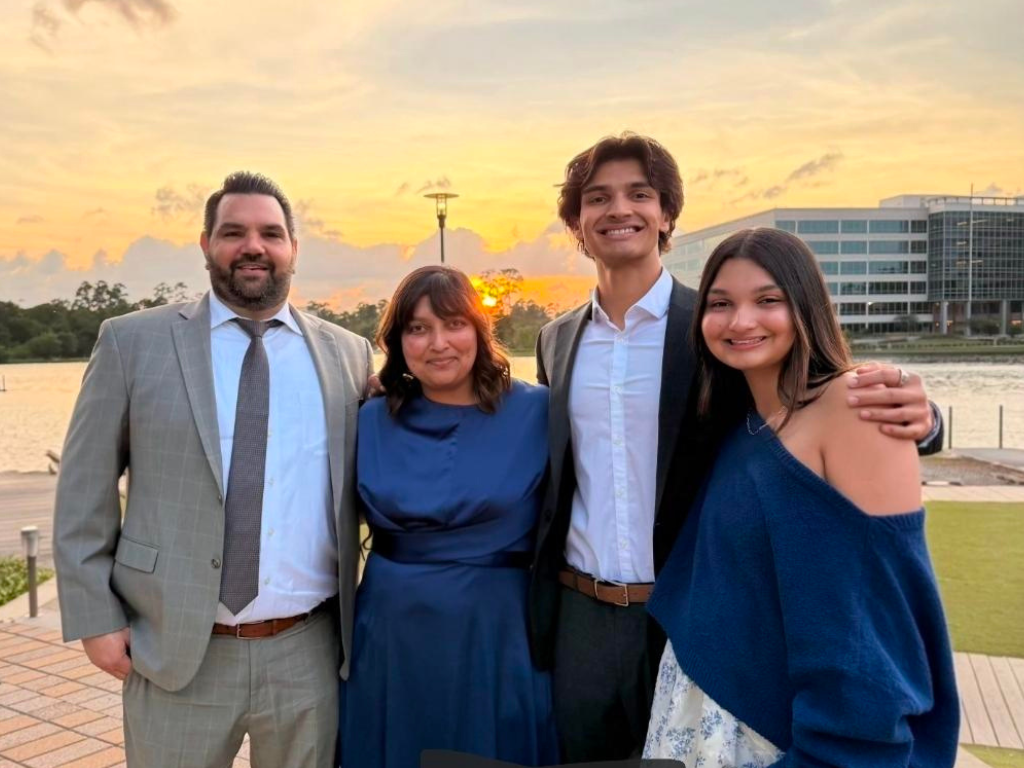
I have celebrated ten bonus birthdays. I have watched my daughter grow from an 8-year-old little girl into a young woman, and I have moved her into her college dorm. I celebrated my son’s 21st birthday. And this December, I will watch the little boy who was just 11 when I was diagnosed graduate from college.
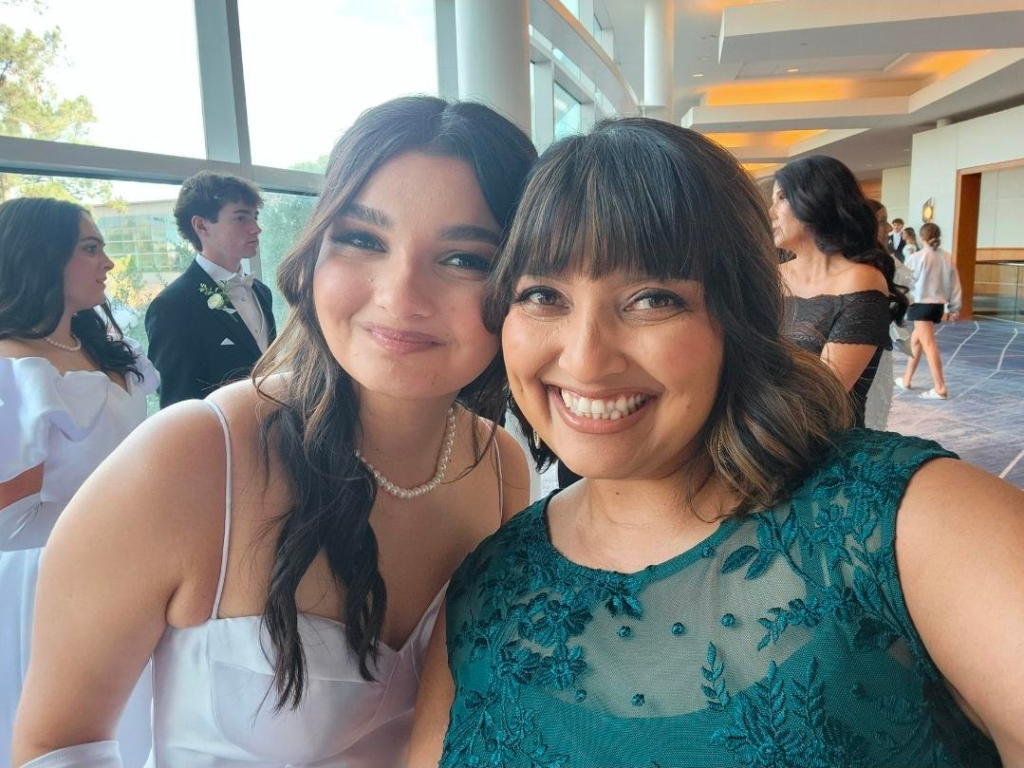
Think about that for a moment.
When I sat in that room ten years ago, I was terrified I would never see these moments. Today, I have lived them. And there are still milestones ahead that I look forward to with a hope I once thought was impossible. One of my greatest dreams is to see my husband walk our daughter down the aisle.
I don’t take any of these moments for granted. I know what it feels like to fear that they may never happen. That knowledge has made each birthday, each family celebration, each hug, and each seemingly ordinary day feel extraordinary. I am not just alive. I am truly living. I never thought both were possible.
“I am not just alive. I am truly living. I never thought both were possible.”
A Different Perspective on Life
I wouldn’t wish cancer on my worst enemy—if I had one. I would never say that cancer itself is a gift, because the fear, the physical challenges, and the uncertainty are things I would spare anyone if I could.
But I can honestly say that this journey has completely shifted my perspective. Before my diagnosis, I spent too much time worrying about things that didn’t really matter. I was competitive, I complained, and I often focused on what wasn’t going right. Cancer forced me to reevaluate what mattered most. It taught me to let go of the small stuff, to practice compassion and forgiveness, and to be more intentional about how I spend my time and love the people around me.
My faith in Jesus has been an enormous part of this journey. I have experienced moments I can only describe as little miracles, and I remain deeply grateful for the time I have been given. Faith doesn’t mean I never feel afraid. It means I have something to hold on to when fear creeps in. It reminds me that even when I cannot control what comes next, I can choose how I live today.
I have also learned that hope doesn’t require certainty. Hope can exist alongside fear. It can mean believing there may be another treatment, another birthday, another family vacation, or another milestone around the corner, even when no one can promise exactly what the future holds. For me, hope has become a way of living.
Why Lung Cancer Awareness and Research Matter
When I was first diagnosed ten years ago, I could not have imagined the life I am living today. The advances in targeted therapies, biomarker testing, and lung cancer research have opened doors that once seemed unimaginable.
My own experience is a powerful reminder of why research matters. Two targeted therapies have helped me continue living, loving, and being present for my family. I am also grateful for a medical team that continues to look ahead, because I know that medicine never stands still. There are always questions to ask, possibilities to explore, and new discoveries that may change what is possible for someone else.
We have come a long way, but there is still so much work to do. We need more research, more treatment options, earlier detection, and greater awareness of the signs and symptoms of lung cancer. We need people to understand that lung cancer can affect anyone, including people who are young, active, healthy, and have never smoked.
We also need to talk openly about lung cancer. For too long, stigma has surrounded this disease, sometimes making people feel that they have to explain or defend their diagnosis. No one deserves cancer, and every person facing it deserves compassion, support, and access to the best possible care.
This is why sharing our stories matters. When we put faces and families to this disease, we help people understand what lung cancer really looks like. We give others the courage to ask questions, seek answers, advocate for themselves, and learn about treatment options. We also remind researchers, clinicians, policymakers, and the public that behind every diagnosis is a person who wants more time. More time to raise children. More time to celebrate birthdays. More time to graduate from college, fall in love, get married, become grandparents, and experience all the ordinary and extraordinary moments that make up a life.
Ten Years Later, I Am Still Looking Ahead
As I reflect on this tenth anniversary of my diagnosis, I feel an overwhelming sense of gratitude. Gratitude for my family, for my faith, for my doctors at City of Hope, for the researchers who continue to push the boundaries of what is possible, and for every person who has helped advance the science that is keeping people like me here.
I still have difficult days. I still have moments of fear. I don’t know exactly what the future holds, and I have learned not to take a single day for granted. But I also know what is possible today that I could not have imagined ten years ago.
I know that a stage 4 lung cancer diagnosis is not the same story for everyone, and I would never want to offer false promises. Every person’s cancer and treatment journey is different. But I do want people facing this diagnosis to know that there can be hope, that asking about biomarker testing and treatment options matters, and that there are dedicated people working every day to create more possibilities.
Ten years ago, I feared that cancer would take away my future. Today, I am grateful for the future I have already experienced, and I am looking forward to the one still ahead.
During Lung Cancer Awareness Month, I hope we will share our stories, raise our voices, support research, and continue fighting for more options and more time for everyone affected by this disease. Because ten years ago, I was afraid I would miss my children’s lives. Today, I get to be part of them. And I am not just surviving. I am living—with hope, with faith, with gratitude, and with so much more life still to look forward to.
Stories like Tabitha’s are possible because of research. When you give through LCFA, your gift funds the scientists working on what comes next.
Give Today | Read More Stories of Hope
Updated Nov. 2026.
