Guests/Speakers
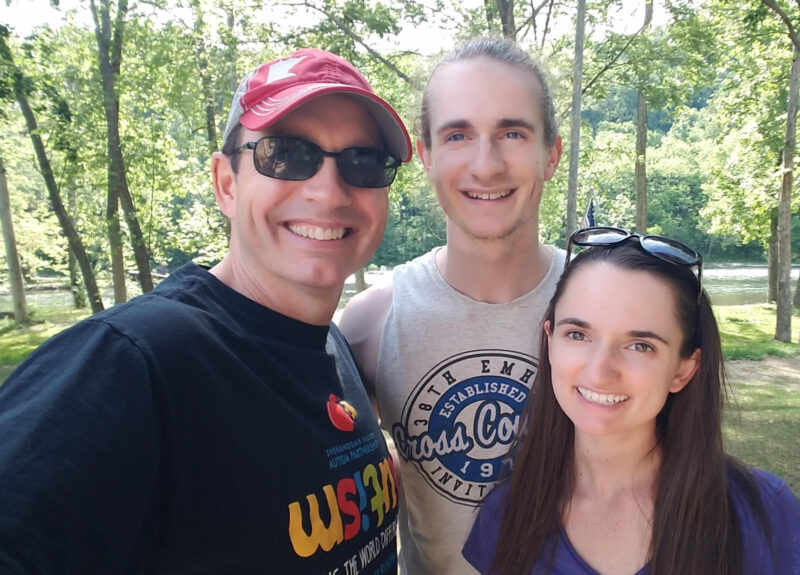
James Hiter
Endurance Athlete | LCFA Speakers Bureau Member | Survivor
James brings curiosity, determination, and hard-won wisdom to conversations about living with lung cancer. Diagnosed in 2017 with a rare multicystic presentation, he’s undergone three lung surgeries and now operates on roughly 55% of his original lung capacity—yet he still runs every single day. His journey through multidisciplinary tumor boards, second opinions, and ongoing surveillance gives him an intimate understanding of what patients and caregivers face. James asks the questions patients actually want answered because he’s wondered them himself.
Learn more about James:
LCFA Speakers Bureau Profile
Living With Lung Cancer: Ask Me Anything Podcast
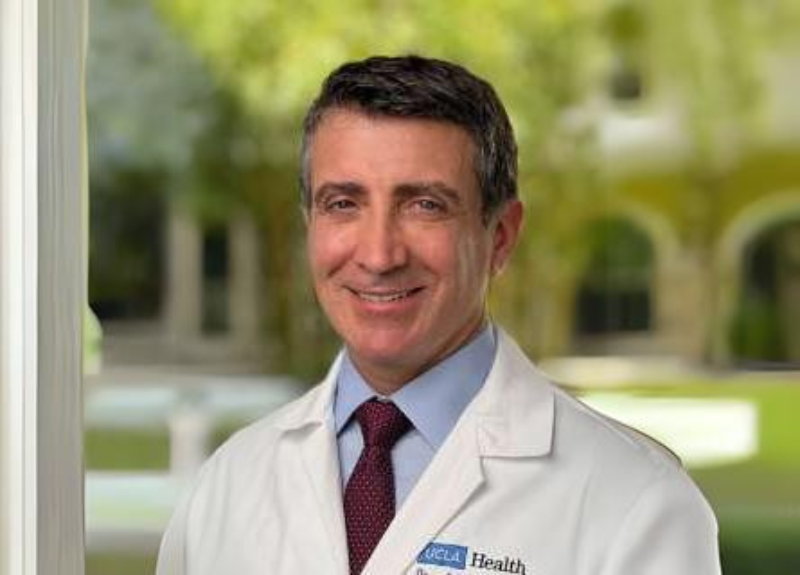
Dr. Drew Moghanaki
Chief of Thoracic Oncology, UCLA | Professor of Radiation Oncology
Dr. Drew Moghanaki is a leading expert in stereotactic ablative radiotherapy (SABR) for lung cancer. Board certified in radiation oncology, he serves as Chief of Thoracic Oncology at UCLA, holds an endowed chair for lung cancer research, and co-leads the Lung Precision Oncology Program at VA Greater Los Angeles Healthcare System. Dr. Moghanaki is a principal investigator on the landmark VALOR trial comparing surgery and SABR for early-stage lung cancer—research that may fundamentally change treatment guidelines. He’s passionate about ensuring every patient has the opportunity to learn about all treatment options, including radiation therapy approaches that can cure cancer in as few as one to five sessions.
Learn more about Dr. Moghanaki’s work:
UCLA Health – Thoracic Oncology
VALOR Trial – ClinicalTrials.gov
What if treating early-stage lung cancer didn’t require surgery, anesthesia, or a hospital stay?
In this episode of Living With Lung Cancer: Ask Me Anything, host James Hiter talks with Dr. Drew Moghanaki, Chief of Thoracic Oncology at UCLA, about stereotactic ablative radiation—known as SABR or SBRT—a treatment that’s transforming care for early-stage lung cancer patients.
What Is SABR?
Unlike traditional radiation therapy delivered over 20 to 40 sessions, SABR uses highly precise, high-dose radiation in just one to five treatments. “SBRT is all about five or less,” explains Dr. Moghanaki. Some patients receive just one 10-minute session.
The treatment requires no anesthesia and feels similar to getting a CT scan. Most patients drive themselves home and continue their normal activities. “Nine out of ten patients would say it felt like getting a CAT scan—which has no feeling,” says Dr. Moghanaki.
Why Every Patient Should Ask About SABR
Dr. Moghanaki emphasizes that every lung cancer patient deserves to have a radiation oncologist review their case. “Most radiation oncology departments are in the basement,” he notes. “Unless you are referred there, there’s probably no reason for you to know about it.”
His advice? Ask your doctor: “Did the radiation oncologist look at this?”
SABR Can Cure Cancer
One common misconception is that radiation only “treats” cancer rather than curing it. Dr. Moghanaki pushes back: “We can eradicate it with surgery, or we can eradicate it with stereotactic radiation.”
For small, early-stage tumors, SABR cure rates are comparable to surgery—which is why the VA is conducting the VALOR trial, a landmark study comparing the two approaches.
Preserving Lung Tissue for the Future
James Hiter, who has had multiple lung surgeries and estimates he’s down to about 55% of his original lung capacity, speaks to the importance of preserving lung tissue. “The more lung tissue you can leave behind, the better,” he shares.
Dr. Moghanaki agrees: “If your lungs were damaged enough that lung cancer was able to grow, it’s probably gonna happen again. So let’s not take any more than we need to.”
The Importance of Biomarker Testing
Before any local therapy—whether surgery or SABR—comprehensive biomarker testing is essential. Dr. Moghanaki recommends robotic bronchoscopy with cryobiopsy to obtain tissue for NGS testing, ensuring patients have the molecular information needed for current and future treatment decisions.
What to Expect During Treatment
Most SABR patients experience minimal side effects:
- Mild fatigue (some need a short nap)
- Possible temporary changes in breathing weeks later
- Rare mild soreness months later if bones in the treatment area are affected
“Generally speaking, it is a pretty painless procedure that usually has no side effects at all. And when they do, they’re actually pretty mild.”
The Future of Lung Cancer Treatment
Dr. Moghanaki envisions a future with three excellent local therapy options: surgery, SABR, and ablation. This means better matching of treatments to individual patients and preservation of lung tissue for those who may develop second cancers. Dr. Moghanaki says:
“The lung cancer community and the research community is just extraordinary. Surgery’s getting better, radiation’s getting better, patients have more and more options, and the drugs are getting better.”