
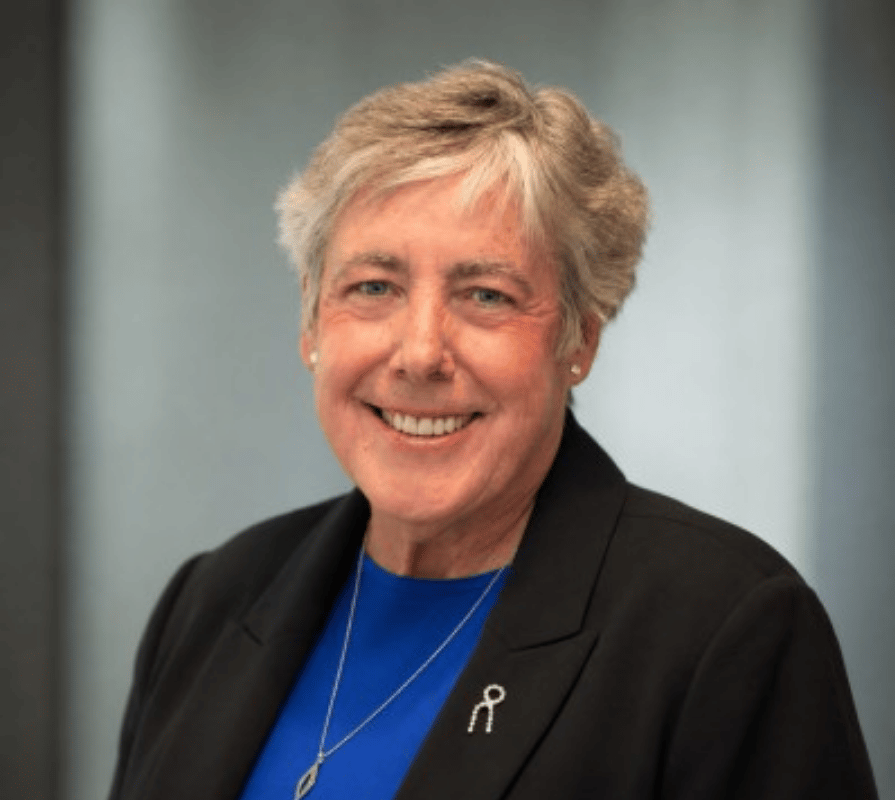
Jeanne Szurek is living with lung cancer, and she speaks from firsthand experience about a question more patients are facing: what to consider when a treatment you’ve been getting by IV becomes available as a subcutaneous (SubQ) injection.
For Jeanne Szurek, some treatment days used to mean losing a whole week. On IV infusions, she had a reaction nearly every time, which meant a reduced dose with each round. The steroids she took days ahead kept her up at night, then left her drained. As she puts it, each round was “kind of a lost week.”
So when her medication became available as a SubQ injection, Jeanne did her homework. She found evidence of fewer, milder reactions and decided to make the switch.
“My whole attitude toward treatment days started to change as soon as I got that first subQ injection.”
Today, Jeanne brings that same curiosity to every conversation. She’s candid, practical, and unafraid to ask the questions many patients keep to themselves: Does the injection hurt? Can I switch back if it’s not right for me? But she’s also quick to point out that every patient’s experience is different. Jeanne isn’t here to tell anyone what to choose. She’s here to encourage people to learn their options and make the decision that’s right for them, together with their care team.
Her story is a reminder that understanding your options can give you back more than time. It can give you back your life between treatments.
Speaking Topics & Expertise
- Treatment Delivery Options: What it is like to switch from IV infusion to SubQ treatment mid-course, from the patient’s side of the chair
- Managing Side Effects and Infusion Reactions: How she handled frequent reactions, reduced doses, and the ripple effects of pre-medication steroids
- Informed Self-Advocacy: Researching your options and bringing clear questions to your care team
- Quality of Life During Treatment: The difference between time in the infusion chair and time spent living, and why that time matters
- Community Awareness: Turning time back from treatment into volunteering and lung cancer advocacy